Effective building and facility management is essential for the smooth operation and long-term value of any co-op building. However, unique challenges often arise from the inherent structure, where resident ownership creates a diverse array of needs and expectations. We understand these complexities. Streamlining maintenance and ensuring seamless coordination among staff members requires a proactive approach, clear communication, and robust systems. By focusing on these core areas, co-ops can significantly enhance efficiency, reduce costs, and ultimately create a more harmonious living environment for all shareholders. In this post, we share key strategies we have found to be highly effective.

Implement Comprehensive Preventative Maintenance
Moving from a reactive to a proactive model is one of the most impactful ways to streamline building operations management. Develop and enforce a detailed preventative maintenance schedule covering all critical systems: HVAC, plumbing, electrical, roofing, and common areas. This reduces unexpected breakdowns, extends equipment life, and prevents costly emergency repairs. Regularly auditing and updating this schedule ensures its continued relevance as the building and its systems age.
Utilize Modern Technology for Coordination and Tracking
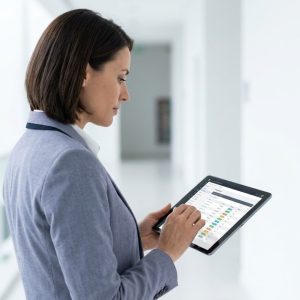
Leveraging facility management software significantly improves staff coordination and task tracking. Centralizing work orders, schedules, and maintenance records in a digital platform provides all team members with real-time access to crucial information. This eliminates communication gaps, reduces errors, and allows management to monitor progress efficiently. Staff can easily update task statuses from their mobile devices, providing instant visibility into operational workflow and ensuring accountability.

Standardize Operating Procedures and Define Roles Clearly
Vague responsibilities are a primary source of operational inefficiency. It is crucial to document and disseminate standardized operating procedures (SOPs) for all key maintenance tasks and emergency protocols. Furthermore, each staff member must have a clearly defined role with specific responsibilities. This ensures everyone understands their duties, reduces overlapping efforts, and facilitates quicker responses to both routine requests and unexpected issues. Regular training reinforces these standards and roles.

Foster Clear Communication and Feedback Loops
Establishing open lines of communication between management, staff, and shareholders is paramount. For maintenance, a transparent work-order system, like those central to modern building management, is vital. Implement regular staff meetings and dedicated channels for feedback. This ensures that maintenance staff are aligned, problems are quickly identified and resolved, and useful input from the field is incorporated into overall operational improvements. Transparent communication builds trust across the entire co-op community.
Streamlining maintenance and staff coordination in co-op buildings is a continuous and collaborative effort. By prioritizing proactive strategies, leveraging modern technology, formalizing procedures, and fostering clear communication, co-op boards can achieve significantly more efficient building and facility management. These improvements not only protect the building's physical integrity and enhance the quality of life for all residents but also contribute to long-term financial stability. Our team at The Andrews Organization specializes in implementing tailored solutions that optimize operations for co-ops throughout the New York area. We invite you to explore our comprehensive range of services or contact us directly to discuss how we can help your specific co-op enhance its efficiency and resident experience.